
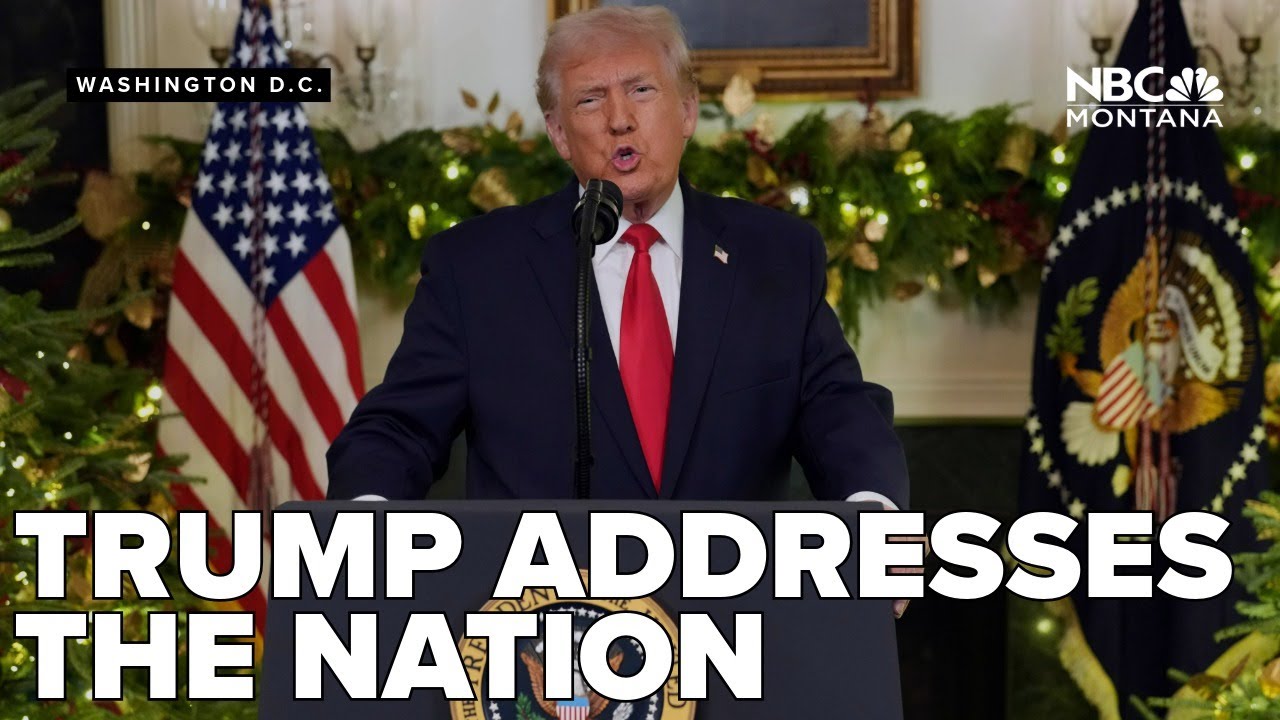
Remember the last time you felt confident about the economy, only to be dashed by a surprising bill or a news report? You’re not alone. Just like many Americans tuning in to President Trump’s latest prime-time speech, grappling with mixed messages on inflation, gas prices, and economic growth can feel like decoding an economic puzzle. Let’s unravel this together with a fresh, human take on what was really said and what it might mean for your wallet and the country.
Setting the Stage: Trump’s Bold Economic Claims
If you tuned in to President Trump’s recent prime-time address, you probably noticed just how confident he sounded about the state of the Trump economy. As Americans voice growing concerns about their financial futures, Trump took center stage to remind the nation of what he sees as his administration’s biggest wins. He didn’t just list a few accomplishments—he declared that, in just 11 months, his team had delivered “more positive change to Washington than any administration in American history.”
Trump’s Economic Scorecard: A+ and Beyond
Trump didn’t hold back on self-praise. He boldly claimed the economy deserved a grade higher than an A+, a statement that’s hard to ignore. He pointed to a handful of headline-grabbing achievements:
- Lower gas prices—a relief for anyone who’s watched the pump with anxiety.
- A stronger military—framed as a backbone for economic stability.
- A more secure border—not just as a security measure, but as a direct economic benefit.
For Trump, these aren’t just talking points. They’re proof, he says, that his leadership is delivering real results. He wants you to feel that the Trump economy is not just surviving, but thriving.
Inflation Rates: The Stubborn Statistic
But here’s where things get complicated. While Trump touts lower gas prices and a booming economy, the inflation rate—the number that often hits your wallet hardest—hasn’t budged. It’s the same as when he took office. For many Americans, that’s a confusing contradiction. If the economy is doing so well, why aren’t prices dropping across the board? Why does it still feel tough to make ends meet at the grocery store or when paying rent?
“We have brought more positive change than any administration in American history.” — President Trump, late 2023
Personal Perspective: Optimism Meets Uncertainty
I’ll admit, after watching that speech, I felt a spark of optimism. It’s hard not to get swept up in the energy of a president promising historic progress. But as I checked my own bills and talked with friends, the mood shifted. Some things did seem better—gas prices, for one, had eased up. But other costs hadn’t changed, and the headlines about inflation rates staying steady made me wonder what was really happening. It’s a strange feeling to want to believe in a booming Trump economy, but to still feel the pinch in daily life.
Why Politicians Spotlight Economic Victories
So why do leaders like Trump focus so much on economic wins, especially when the numbers are mixed? The answer is simple: framing matters. During tough times, politicians know that highlighting victories—like lower gas prices or a stronger military—can boost public confidence, even if some indicators, like inflation, aren’t moving. It’s a strategy to shape the national mood and rally support, especially as elections approach.
- Gas prices are easy to see and feel—everyone notices when they drop.
- Border security is tied to economic arguments about jobs and safety.
- Military strength is linked to national pride and stability.
The Art of Framing Amid Criticism
Trump’s approach is all about framing. By focusing on the positives—no matter what the full data says—he sets the stage for his narrative. Even as critics point out that inflation rates haven’t changed, he’s betting that Americans will remember the wins he’s spotlighting. It’s a classic political move: claim credit for the good, explain away the rest, and keep the conversation centered on your strengths.
As the 2024 midterms draw near, expect to hear even more about the Trump economy, gas prices, and border security. The debate over what’s real progress and what’s just clever messaging is far from over.
Inflation: The Persistent Thorn in the Side
When you hear the word “inflation,” what comes to mind? For many Americans, it’s the sting at the grocery store checkout, the rising rent, or the sudden jump in gas prices. Inflation rates aren’t just numbers on a chart—they’re a daily reality, and they’ve become a central talking point in the debate over the Trump economy and Biden economic policies. Let’s break down what’s really happening behind the headlines and why inflation remains such a persistent thorn in the side for so many.
Trump’s Take: Blame on Biden and the Democrats
In his recent speech, President Trump didn’t hold back. He put the blame for America’s economic difficulties squarely on former President Biden and the Democrats. According to Trump, when he took office, “inflation was the worst in 48 years,” and he even suggested it might have been the worst in the country’s history. He painted a picture of an economy in crisis, where, as he put it, “They decimated your hard-earned savings.” For Trump, high inflation is not just an economic issue—it’s a legacy problem left by the previous administration.
Public Opinion: Approval Ratings Reflect Economic Anxiety
But how do Americans feel about the way inflation is being handled? The numbers speak volumes. The latest Economist YouGov poll shows Trump’s overall approval rating at just 42%. When you look specifically at his handling of inflation, that number drops even lower—to a mere 33%. These figures aren’t just statistics; they reflect the real frustration and anxiety many people feel about their financial situation.
- 42% overall approval rating for Trump
- 33% approval rating on inflation management
- 72% of Americans say the economy is “fair or poor”
- 25% rate the economy as “excellent or good”
Clearly, inflation rates and the broader Trump economy are top of mind for voters. When approval ratings dip this low, it’s a signal that people are feeling the pinch in their everyday lives.
How Inflation Hits Your Wallet
Let’s get real for a moment. Inflation isn’t just a political talking point—it’s something you feel every time you open your wallet. Maybe you’ve noticed that a bag of groceries that used to cost $50 now rings up at $70, or that your favorite coffee shop has quietly raised its prices. These aren’t isolated incidents. Across the country, Americans are seeing their paychecks stretched thinner as prices climb faster than wages.
“Last week, I stopped by the store to pick up a few basics—milk, bread, eggs, and some fruit. I nearly dropped my wallet when the total flashed on the screen. It was almost double what I paid just a year ago. I’m not buying fancy brands, just the essentials. How are families supposed to keep up?” — Sarah, a teacher from Ohio
This kind of sticker shock is all too common. It’s why so many people are dissatisfied with the current state of the economy, and why approval ratings for handling inflation are so low. When everyday costs rise, it doesn’t matter what the official numbers say—what matters is how much you have left at the end of the month.
Why Inflation Figures Matter Politically and Economically
Inflation rates aren’t just a measure of economic health—they’re a barometer of public mood. When prices rise, confidence in political leadership often falls. That’s why both the Trump economy and Biden economic policies are under such intense scrutiny. Politicians know that if they can’t get inflation under control, they risk losing the trust—and the votes—of everyday Americans.
So, when you see headlines about inflation, remember: it’s not just about numbers. It’s about your wallet, your family, and your future. And as long as inflation remains high, it will continue to be the persistent thorn in the side of American economic approval.
Economic Narratives and Political Blame Games
When you listen to political speeches, especially during an election season, you’ll notice a familiar pattern: each side tries to control the story about the economy. In his recent address, President Trump spent a significant portion blaming the nation’s current challenges on President Biden and the Democrats. According to Trump, the economic hurdles you’re feeling—like inflation and concerns about your savings—are not just random events. He says they’re the direct result of Biden economic policies and decisions made by the current administration.
Trump’s Take: Pinning Economic Woes on Biden
Trump doesn’t hold back when assigning blame. He claims, “When I took office, inflation was the worst in 48 years, and some would say in the history of our country.” He paints a picture where the Trump economy was on solid ground, but things took a turn for the worse under Biden. This narrative is powerful because it gives you a clear villain and a hero—someone to blame and someone to trust. It’s a classic move in political rhetoric, especially when the national debt is rising and people are worried about their financial future.
Border Security: Framing Immigration as an Economic Issue
Another key part of Trump’s message is about border security. He claims, “They flooded your cities and towns with illegal aliens.” This isn’t just about national security; it’s framed as an economic threat. The argument goes like this: more undocumented immigrants mean more strain on public services, fewer jobs for American citizens, and a direct hit to your wallet. Whether you agree or not, this is a strategic way to link border security effects to your everyday economic concerns, making the issue feel personal and urgent.
How Political Rhetoric Shifts Economic Responsibility
It’s easy to feel overwhelmed when you hear conflicting stories about the economy. One day, you might hear that things are improving; the next, you hear that everything is falling apart. This back-and-forth is often less about facts and more about who gets blamed. Politicians know that if they can convince you the other side is responsible for your struggles, they’re more likely to win your vote. This is why you’ll often hear phrases like, “It’s all their fault,” or “We inherited this mess.”
“They flooded your cities and towns with illegal aliens.” — President Trump
Personal Reflection: Navigating Conflicting Economic Stories
If you’re like most Americans, you’ve probably noticed how the economic narrative changes depending on who’s talking. One channel might highlight job growth, while another focuses on rising prices at the grocery store. It’s confusing, and it’s meant to be. Each side wants you to see the world through their lens. When Trump blames the Democrats for inflation or says that illegal immigration is hurting your savings, he’s not just sharing facts—he’s shaping how you feel about the economy and who you think is responsible.
Why Blame-Switching Is a Common Political Tactic
Switching blame is a tried-and-true tactic, especially during times of political stress or before big elections. When the economy is uncertain, people want answers. Politicians step in to provide those answers, often pointing fingers at their opponents. This helps them rally their base, distract from their own shortcomings, and keep the focus on the other side’s alleged failures. In the lead-up to the 2024 midterms, expect to see even more of this blame game as both parties try to sway public opinion.
How These Narratives Shape Voter Perceptions
These economic narratives aren’t just background noise—they shape how you and other voters see the world. If you hear over and over that Biden economic policies are to blame for high prices or that border security effects are draining the economy, you might start to believe it, even if the reality is more complicated. This is why economic storytelling is so powerful in American politics. It’s not just about numbers; it’s about trust, fear, and hope for a better future.
Polling Realities: How Americans Feel About the Economy
When you look past the headlines and political speeches, the real story of the American economy is told by the people living through it every day. Recent polls, like the latest Economist/YouGov survey, reveal a lot about how Americans feel about the economy right now—and the numbers might surprise you. These approval ratings aren’t just about political loyalty. They reflect genuine concern, frustration, and uncertainty about where things are headed, especially as we approach the next round of midterm elections.
Low Approval Ratings: More Than Just Politics
Let’s start with the numbers. According to the Economist/YouGov poll, the president’s overall approval rating sits at just 42%. But when you narrow in on his handling of inflation—a topic that’s on nearly everyone’s mind—approval drops even further to only 33%. These figures are telling. They show that American economic approval is not just about which party is in power, but about how people are actually experiencing the economy in their daily lives.
- Overall approval rating: 42%
- Approval on inflation: 33%
It’s clear that concerns about inflation rates and the cost of living are weighing heavily on people’s minds. Even those who might generally support the president or his party are expressing dissatisfaction when it comes to their wallets. This is a sign that economic reality is a much stronger force in shaping public opinion than party loyalty alone.
Broad Discontent: Most Americans Rate the Economy as “Fair” or “Poor”
Digging deeper, the poll shows that 72% of Americans describe the economy as either “fair” or “poor.” Only 25% rate it as “excellent” or “good.” That’s a huge gap, and it demonstrates just how widespread economic anxiety has become. This broad discontent isn’t just a number on a chart—it’s a reflection of everyday struggles, from rising grocery bills to stagnant wages.
- 72% say the economy is “fair” or “poor”
- 25% say it’s “excellent” or “good”
These numbers challenge the political narratives you might hear about a “booming” Trump economy or a “recovery” under current leadership. The reality, according to the polls, is that most Americans just aren’t feeling it.
Why Perception Matters as Much as Economic Data
It’s easy to get caught up in statistics like GDP growth or unemployment rates, but what really matters to voters is how the economy feels in their own lives. Perception can be just as important as hard data. If people feel like they’re falling behind, that sense of insecurity shapes how they vote and how they view those in power.
“You can tell me the numbers are getting better, but my paycheck hasn’t changed and everything costs more at the store. That’s what matters to me.” — Local resident, Midwest community
This kind of sentiment is echoed across the country. In one small town in Ohio, for example, families are grappling with stagnant wages even as rent and food prices climb. Local businesses say they’re struggling to keep up with higher costs, and workers are frustrated that their paychecks don’t stretch as far as they used to. These personal stories add depth to the polling data and remind us that economic approval is about real-life impact, not just statistics.
How Economic Perception Could Shape the Midterm Elections
With the midterm elections economy front and center, these polling realities are likely to play a major role in shaping voter turnout and preferences. When 72% of Americans say the economy is “fair” or “poor,” it signals a warning for incumbents and a potential opportunity for challengers. Political strategists know that public dissatisfaction with inflation rates and economic conditions can be pivotal in close races.
Ultimately, the way Americans feel about the economy—whether it’s frustration over inflation, disappointment with stagnant wages, or skepticism about political promises—will help decide the outcome of the next election cycle. The numbers from the Economist/YouGov poll make it clear: economic reality is driving voter sentiment more than party loyalty or campaign rhetoric.
The 'Warrior Dividend': Military Pay Raises in Context
What Is the 'Warrior Dividend'?
As the new year approaches, you might have heard President Trump announce a special payment for America’s service members. Over 1.4 million active-duty military personnel are set to receive what’s being called a service members dividend—a one-time, symbolic payment of $1,776. This isn’t just another number. The amount directly references the year 1776, the birth of American independence, making the payment not only financial but also deeply symbolic.
The Symbolism Behind $1,776
Why $1,776? The choice is no accident. In American history, 1776 marks the signing of the Declaration of Independence. By tying the military pay raises to this iconic year, the administration is sending a clear message: supporting the troops is as patriotic as celebrating the nation’s founding. This kind of symbolism is powerful in politics, especially when it comes to the military. It’s not just about the money—it’s about what the gesture represents.
Military Compensation: More Than Just a Paycheck
For service members, every dollar counts. But military compensation has always been about more than just the numbers on a paycheck. It’s a tool for boosting morale, showing appreciation, and reinforcing the bond between the government and those who serve. The service members dividend is designed to do all three. By giving a payment right before the new year, the administration is aiming to lift spirits and remind military families that their sacrifices are recognized at the highest levels.
Economic Impact on Military Families
Let’s talk about what this means for military families. A $1,776 payment can make a real difference, especially during the holidays and at the start of a new year. For many, it could help cover bills, pay down debt, or simply provide a little extra breathing room in the family budget. When you multiply this by 1.4 million recipients, you’re looking at a significant economic footprint—over $2.4 billion injected directly into the hands of those serving.
- Immediate relief: Helps with household expenses and emergencies.
- Morale boost: Shows appreciation and recognition from the government.
- Community impact: Extra spending can benefit local businesses near military bases.
Military Pay Raises vs. the Overall Defense Budget
It’s important to put this military pay raise in context. While a one-time payment is meaningful, it’s just a small slice of the overall defense budget, which runs into the hundreds of billions each year. In recent years, military budgets have grown, covering everything from new equipment to healthcare and housing for troops. The service members dividend is a visible, headline-grabbing gesture, but it’s not a substitute for long-term pay increases or broader benefits.
Political Strategy and Economic Policy
Announcing the warrior dividend right before the new year is no coincidence. It’s a classic example of how military payments can serve both economic and political goals. On one hand, it puts extra cash in the pockets of service members—always a popular move. On the other, it sends a strong message about the administration’s priorities, especially in the context of the Trump economy and ongoing debates about economic policy.
“We are giving our warriors a dividend, a sign of our gratitude and a symbol of our nation’s enduring strength.”
This kind of messaging is designed to appeal to both military families and the broader public. It’s a reminder that economic policy isn’t just about numbers—it’s about values, symbolism, and the stories leaders choose to tell.
How Does This Fit Into Broader Economic Messaging?
The service members dividend fits neatly into the administration’s broader economic narrative. By highlighting support for the military, the president is framing economic policy as patriotic and people-focused. It’s a way to connect economic headlines with the everyday experiences of military families, while also reinforcing the idea that a strong economy and a strong military go hand in hand.
Looking Ahead: Economic Predictions and Political Strategies Toward 2026
Trump’s 2026 Economic Outlook: Big Promises, Bigger Expectations
If you’ve been following the headlines, you’ve probably heard Donald Trump’s latest economic claims. He’s not just talking about recovery—he’s promising an economic boom by 2026 “the likes of which the world has never seen.” According to Trump, the real effects of his economic policies are just around the corner, and he’s asking Americans to be patient. The message is clear: the 2026 economic outlook is bright, but you’ll need to wait a little longer to see the results.
Patience Now, Payoff Later: The Waiting Game
Trump’s approach is all about setting expectations. He’s telling you that while you might not feel the full impact of his policies today, by 2026, things will look very different. This call for patience is a classic political move. By tying the Trump economy to a future timeline, he’s giving his supporters hope and buying time for his policies to take effect. In his words, “more Americans will feel the effects of his policies in 2026,” suggesting that the best is yet to come.
Economic Messaging as a Political Strategy
It’s no secret that the economy is a powerful tool in any election. Republicans are leaning into this, making the midterm elections economy a central theme of their strategy. Trump’s optimistic predictions aren’t just about numbers—they’re about building momentum and regaining public favor. By promising unprecedented growth, he’s trying to energize voters and set the stage for a Republican comeback in Congress.
- Hopeful Messaging: By focusing on a booming 2026 economic outlook, Trump is appealing to voters’ desire for stability and prosperity.
- Campaign Momentum: Forward-looking economic claims are designed to build excitement and keep supporters engaged.
- Contrast with Opponents: By painting a rosy picture of the future, Trump draws a sharp contrast with current economic frustrations.
On the Road: North Carolina and Beyond
Trump isn’t just talking about the future—he’s hitting the campaign trail to sell his vision. North Carolina is the first stop on his upcoming tour, and you can expect the 2026 economic outlook to be front and center in his speeches. These campaign stops are more than just rallies; they’re opportunities to reinforce his economic message and connect with voters who are eager for good news.
How Economic Growth Predictions Shape Election Strategy
The link between economic predictions and political strategy is strong. When Trump talks about an economic boom, he’s not just forecasting the future—he’s shaping how you feel about the present. By promising that “we’re poised for an economic boom the likes of which the world has never seen,” he’s inviting you to imagine a better tomorrow and, crucially, to vote for the team that promises to deliver it.
- Voter Motivation: Positive economic forecasts can increase optimism and turnout among supporters.
- Policy Patience: By asking for patience, Trump is managing expectations and reducing pressure for immediate results.
- Election Leverage: A strong economic message can sway undecided voters and solidify the base.
Speculation or Substance? The Realities Behind the Rhetoric
Of course, the big question is whether this promised growth will actually happen. Is the 2026 economic outlook based on solid data, or is it just hopeful spin? Economic experts are divided. Some say that policy changes can take years to show results, while others caution that predicting an “unprecedented boom” is risky business. For now, Trump’s strategy is to keep hope alive and use bold economic growth predictions as a rallying cry.
“We’re poised for an economic boom the likes of which the world has never seen.” – Donald Trump, late 2023 speech
As the political season heats up, expect to hear even more about the Trump economy and what the future could hold. Whether these predictions come true or not, they’re sure to play a major role in shaping America’s financial mood and the outcome of the next elections.
Wild Card: Imagine If Economic Speeches Came With a Reality-Check Button
Picture this: You’re sitting on your couch, remote in hand, watching President Trump deliver his latest economic address. He’s touting a “robust economy,” promising that “high prices are coming down very fast,” and grading his own performance as higher than an A+. But what if, right there on your screen, you could press a button and get instant, unbiased fact checks on every claim? Welcome to the world of the Reality-Check Remote—a playful, yet thought-provoking idea that could change the way we all experience political speeches.
Let’s imagine how this would play out. As Trump declares, “Over the past 11 months, we have brought more positive change to Washington than any administration in American history,” you tap the Reality-Check button. Instantly, a pop-up appears: “Historical analysis: Most administrations claim historic change. Independent experts rate the pace of legislative change as average for a first term.” He says, “I’m bringing those high prices down and bringing them down very fast.” Another pop-up: “Current inflation rate: Unchanged from the start of term. Gas prices: Down 10%, but still above five-year average.”
Now, imagine the impact of this kind of economic transparency on public perception. Instead of relying on memory, party loyalty, or gut feeling, viewers would see real-time data and context. Every bold promise or dire warning would be instantly weighed against facts. Would this make you trust politicians more—or less? Would it help you hold leaders accountable for their words?
Political accountability would take on a whole new meaning. If every economic claim—about inflation, jobs, or the strength of the military—was met with instant, clear data, politicians might think twice before stretching the truth. Policy debates would shift from who can deliver the best soundbite to who can back up their promises with real numbers. Election campaigns could become less about slogans and more about substance, as voters gain the tools to critically evaluate what’s being said.
Let’s have a little fun with this scenario. During Trump’s speech, he blames former President Biden for “the worst inflation in 48 years.” You hit the Reality-Check button. The screen flashes: “Fact check: Inflation rate when Trump took office was similar to today. Major spikes occurred during global events, not just under one administration.” He promises a “warrior dividend” for service members. Another pop-up: “Pending legislation. No details yet on funding or timeline.” Suddenly, the speech feels less like a rally and more like a conversation grounded in reality.
Of course, this is just a creative tangent, but it highlights a real need: critical thinking in the face of political rhetoric. In today’s world, where public trust in economic messaging is shaky, and headlines often blur the line between fact and spin, innovation in transparency could reshape how we engage with our leaders. Imagine if every voter had access to the same instant data as economists and journalists. Wouldn’t that raise the bar for political discourse?
Media and technology already shape our understanding of the economy. But a tool like the Reality-Check Remote could make economic transparency the norm, not the exception. It would encourage all of us to look beyond the headlines, question what we hear, and demand political accountability from those in power. In the end, the more we know, the better choices we can make—not just at the ballot box, but in every conversation about America’s financial future.
So, next time you watch an economic speech, imagine that Reality-Check button in your hand. Let it remind you that behind every claim is a deeper story, and that your curiosity—and demand for truth—can help shape a more informed, engaged, and empowered public.
TL;DR: President Trump’s recent speech touts his administration's economic milestones, amidst a skeptical public facing stagnant inflation and uncertain future growth. This post breaks down his claims, the reality of public opinion, and the upcoming challenges as midterms draw near.



0 Comments